
Adaptive Angle Control (AAC)
AI-driven precision in every bend
First Time Right, from the very first bend
Every sheet bends differently. Adaptive Angle Control automatically compensates for these differences during the bending process.
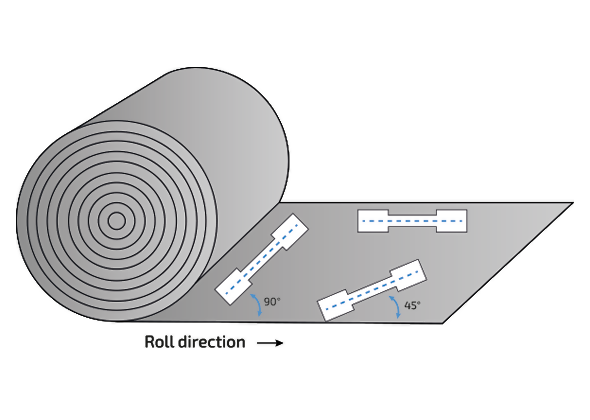
Material behaviour varies from sheet to sheet due to rolling direction, material strength and thickness tolerances. Traditionally, compensating for these variations requires operator experience, manual corrections or test bends. Adaptive Angle Control solves this with algorithms that interpret and adjust the bending process in real time, based on the machine’s own process data. No additional angle measurement sensors and no external hardware required.
The result: accurate parts from the very first bend, shorter setup times and less scrap.
The challenge in sheet metal processing
Bending accuracy is influenced by several factors at the same time:
- Rolling direction of the sheet material;
- Variations in material strength between batches;
- Thickness variations within tolerance.
These factors can cause deviations that are normally only detected after bending, requiring additional corrections afterwards.
How Adaptive Angle Control works
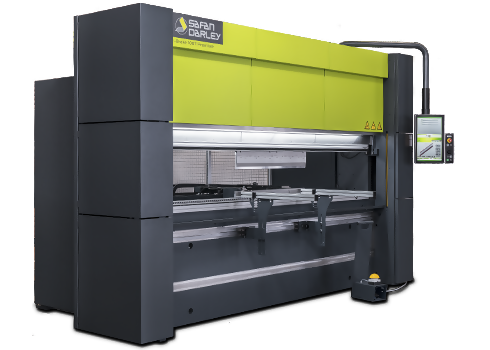
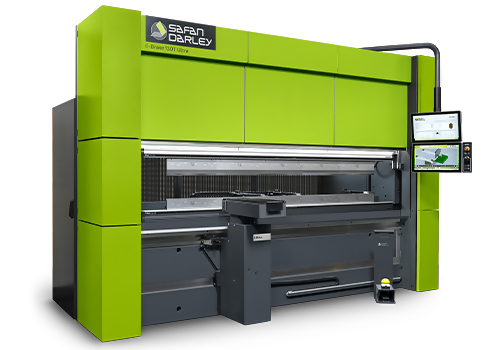
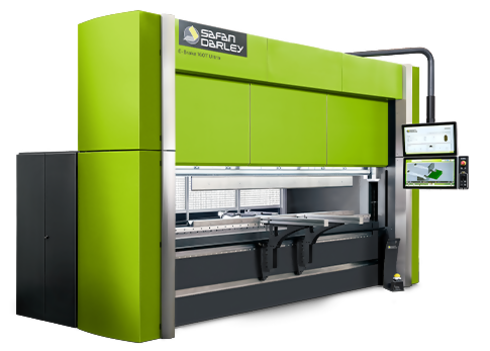
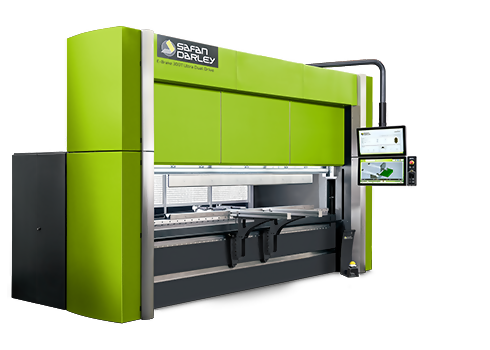
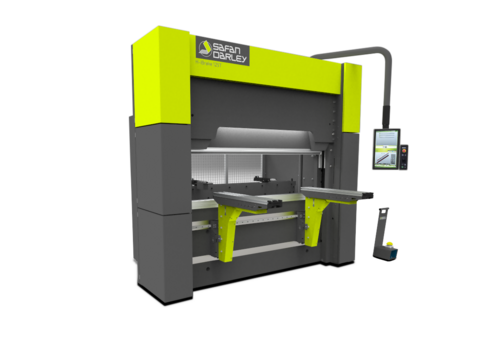
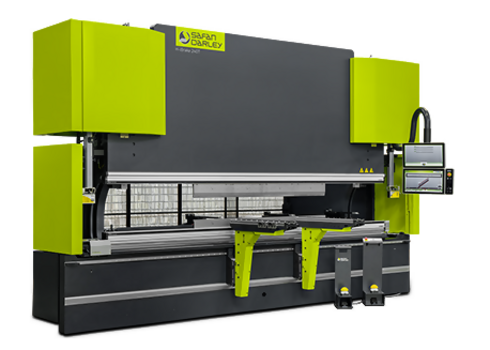
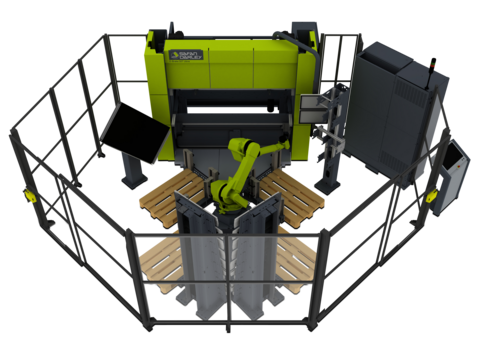
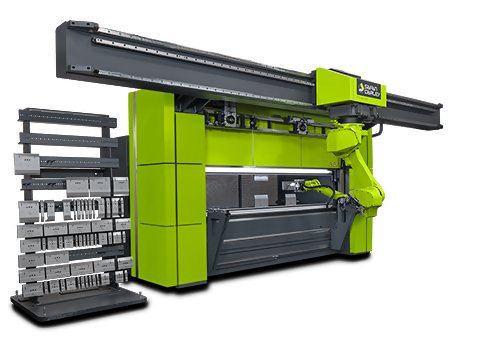
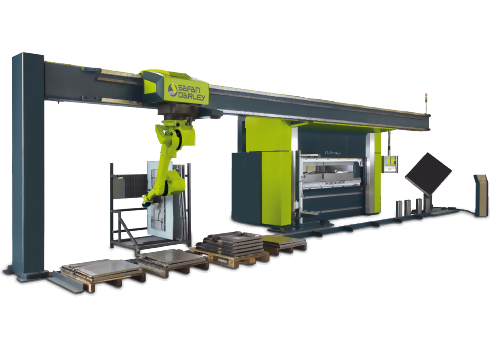
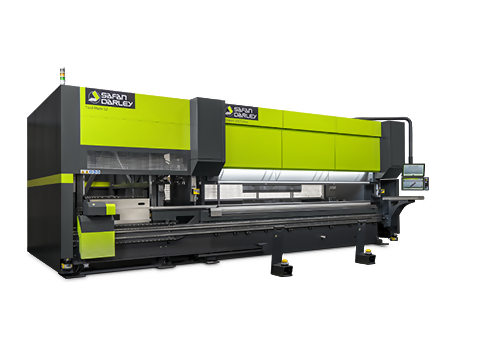
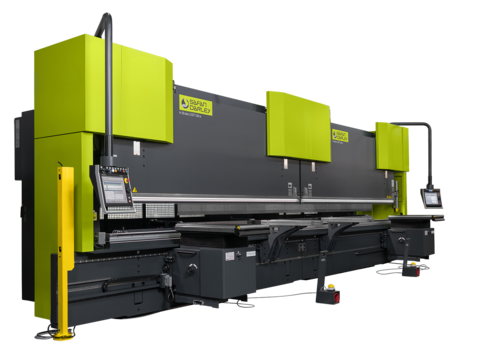
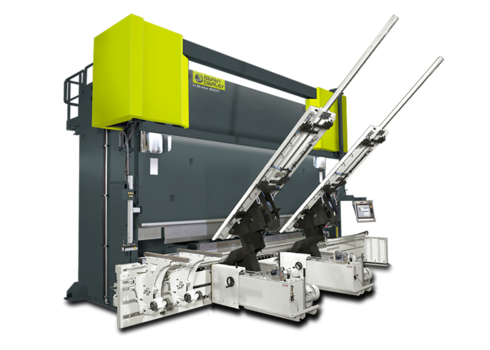
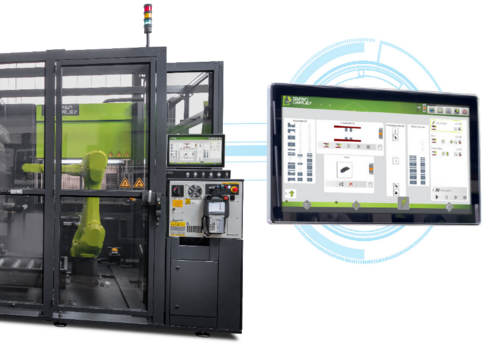
Adaptive Angle Control recognises how the material behaves while the part is being formed and automatically adjusts the bending process within the same cycle. This is made possible by the high precision of E-Brake technology and the fast, accurate control system that responds directly during bending.
Because the system uses existing process data from the machine itself, the solution remains fully integrated. This reduces investment costs, maintenance requirements and operational complexity.
Potential applications include:
- Fully autonomous production;
- Operator-controlled production with continuous optimisation running in the background;
- Consistent bending quality across different materials, batches and operators.
Why this matters now
Sheet metal processing companies are under increasing pressure to improve productivity, while experienced operators are becoming more difficult to find. Adaptive Angle Control embeds process knowledge in the machine software, making quality less dependent on individual operator experience.
This reduces setup times, increases machine utilisation and expands production capacity.
Who is this innovation for?
Adaptive Angle Control is particularly relevant if you:
- Regularly work with varying material batches or rolling directions;
- Want to reduce scrap and test bends;
- Want to make quality less dependent on operator experience;
- Want to reduce setup times and increase machine utilisation;
- Are investing in a new modular E-Brake or want to optimise your existing machine fleet.
Want to learn more about Adaptive Angle Control?
Curious about what Adaptive Angle Control could mean for your production process? We would be happy to discuss the possibilities with you.
Get in touch with SafanDarley
Thank you
Thank you for your request